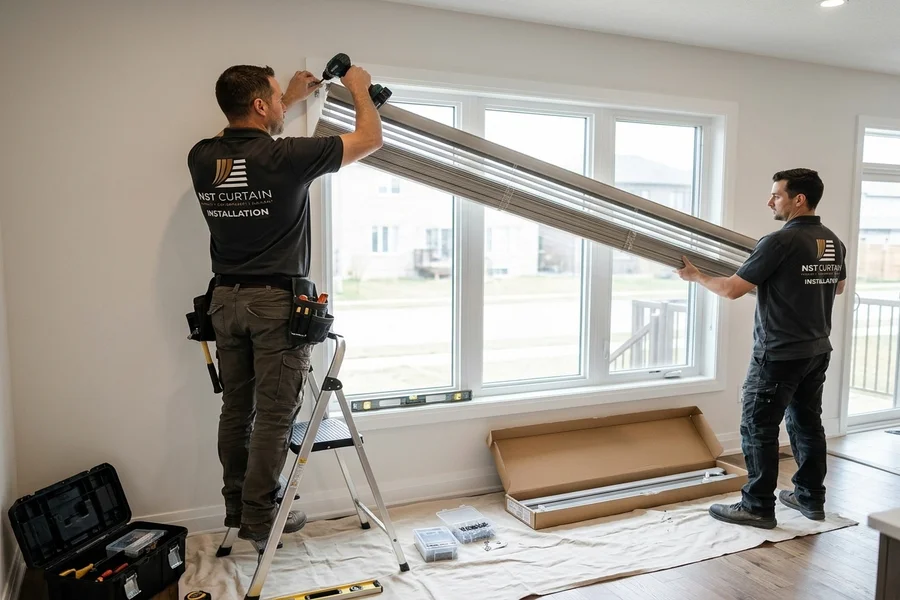
Blinds installation is an important part of creating a comfortable, attractive and functional home or office. Whether you are furnishing a new HDB flat, renovating a condominium or upgrading your existing window coverings, properly fitted blinds can improve privacy, manage natural light and complement your interior design. Choosing suitable products and arranging accurate measurements are equally important because the final result depends on both the quality of the blinds and how they are fitted.
Singapore homeowners have different requirements depending on their property layouts, window dimensions and preferred interior styles. Some prefer simple roller blinds for a minimalist appearance, while others choose Venetian, vertical, Korean or honeycomb blinds for specific light-control and privacy requirements. Understanding these options before ordering can help you make a practical decision.
If you are planning to upgrade your windows, compare the available products, fitting arrangements and quotations before choosing a provider. This will help you find window coverings that suit your property, everyday requirements and budget.
Find a Reliable Blinds Installer for Your Property
Selecting a suitable blinds installer is an important step when purchasing new window coverings. A provider should understand different blind styles, measuring requirements and mounting arrangements to help ensure that the selected products fit your windows properly.
Incorrect measurements or poor positioning can create visible gaps, uneven alignment and difficulties when operating the blinds. These problems may affect both appearance and everyday convenience. Before confirming your order, discuss your window dimensions, preferred materials and installation requirements.
When comparing installation providers, consider the following factors:
Product selection: Check whether different styles, materials and colours are available.
Measurement arrangements: Confirm how window dimensions will be assessed before ordering.
Installation requirements: Ask about mounting methods and any special considerations for your windows.
Quotation details: Understand what is included in the product and fitting price.
Operating mechanisms: Compare manual and motorised options where available.
After-sales information: Ask about product care and the support available after installation.
A clear discussion before ordering can help prevent misunderstandings and make it easier to select a suitable window-covering solution.
Professional Window Blind Installer for HDB, Condo and Landed Homes
A professional window blind installer should consider the design and structure of each property before recommending a fitting arrangement. HDB flats, condominiums and landed houses have different window layouts, so selecting blinds according to the available space is essential.
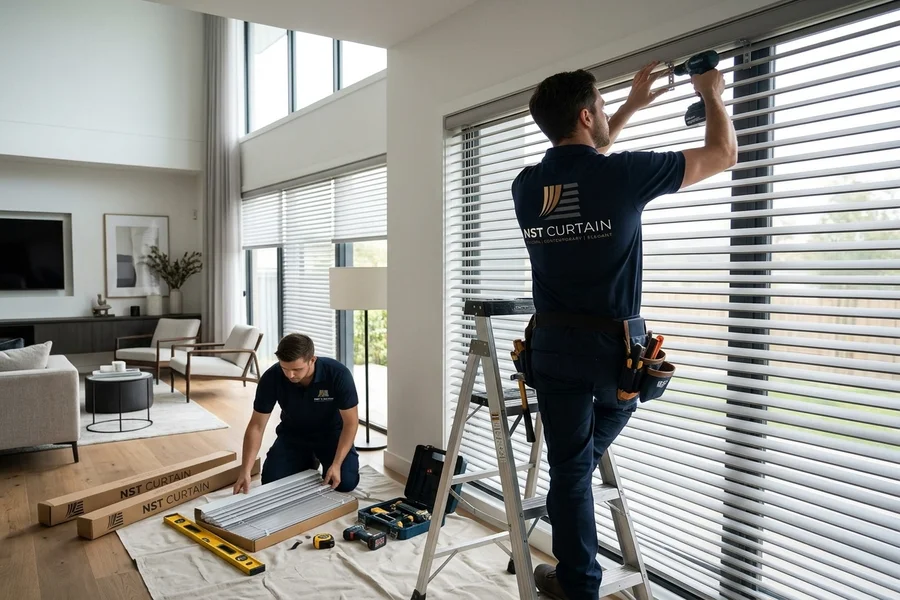
HDB and BTO Blinds Fitting
HDB and BTO homeowners often look for practical window coverings that provide privacy without making their rooms feel crowded. Roller blinds are a popular consideration because of their straightforward design and different fabric options. Venetian blinds are another suitable choice for people who prefer adjustable light control.
Bedrooms may benefit from blackout or room-darkening materials, particularly when reducing external light is important. For living rooms, sunscreen and light-filtering fabrics can help manage brightness while allowing natural daylight into the space.
Before ordering, check the window frame, available mounting area and nearby fixtures. Accurate measurements can help achieve a neat fit and prevent unnecessary adjustments.
Condominium Window Blinds Installation
Condominium apartments may feature wide windows, balcony doors and full-height glass panels. These windows require careful measurement to ensure suitable coverage without interfering with door handles, sliding panels or other fixtures.
Homeowners may consider motorised blinds for larger or difficult-to-reach windows. The available mounting space, operating mechanism and product requirements should be assessed before selecting a suitable option.
Landed Property Blinds Installation
Landed homes can include large windows, high ceilings and different window dimensions throughout the property. Selecting consistent window coverings can create a coordinated appearance while allowing each room to meet its own privacy and lighting requirements.
For wider windows, the weight of the blind, mounting surface and operating mechanism should be considered. These details can influence the type of product and fitting arrangement that is appropriate.
Commercial and Office Blinds Fitting
Offices often require window coverings that help manage sunlight and reduce glare on computer screens. Roller and Venetian blinds can be considered depending on the workspace layout and the amount of light adjustment required.
A coordinated selection across meeting rooms, reception areas and workstations can also create a more organised professional environment.
Home Blinds Installation: Choose the Best Style for Each Room
Home blinds installation should be planned around how each room is used. Bedrooms may require greater light reduction, while living rooms may benefit from window coverings that allow natural daylight to enter. Kitchens, study rooms and home offices also have different practical requirements.
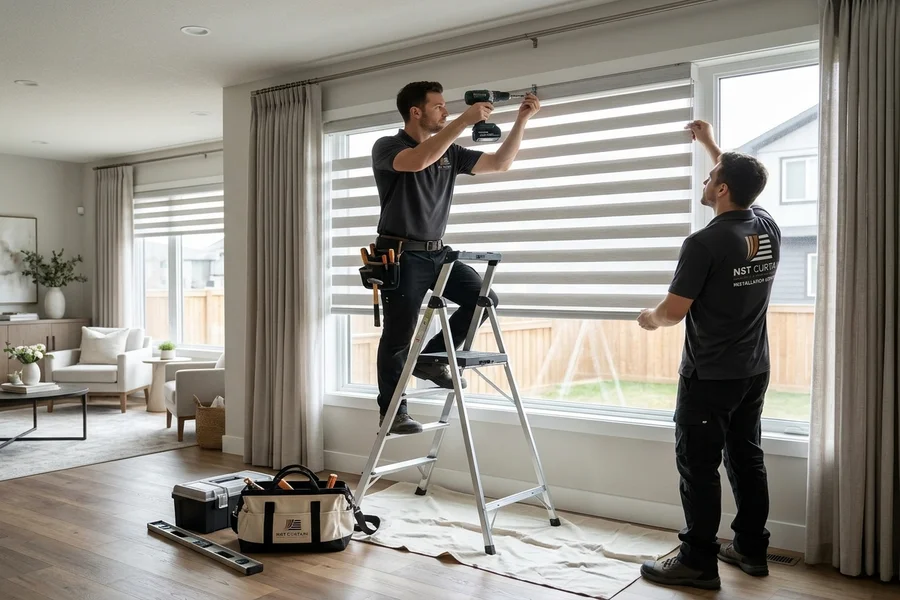
Before selecting a product, consider its appearance, material, operating mechanism, maintenance requirements and level of privacy. Choosing suitable blinds for individual rooms can help create a comfortable interior without relying on one product throughout the property.
Roller Blinds for a Clean and Modern Interior
Roller blinds are suitable for homeowners who prefer a simple and minimal appearance. Their fabric rolls around a tube, allowing the blind to be raised or lowered when required.
Different fabric options provide different levels of light control. Sunscreen roller blinds can help reduce glare while allowing some daylight into the room. Blackout roller blinds are worth considering for bedrooms and other spaces where greater light reduction is preferred.
Venetian Blinds for Adjustable Privacy and Light
Venetian blinds feature horizontal slats that can be tilted to adjust incoming light and privacy. They are available in different materials and finishes, making them suitable for a variety of interior styles.
Their adjustable design allows homeowners to manage sunlight without always raising the entire blind. This makes them a practical option for bedrooms, living rooms and workspaces.
Vertical Blinds for Large Windows and Sliding Doors
Vertical blinds use fabric panels that can be rotated and drawn to one side. They are often considered for wide windows and sliding glass doors.
Their design provides flexible coverage and convenient access to larger openings. They can also create a neat and coordinated appearance in residential and commercial interiors.
Korean Blinds for Contemporary Homes
Korean blinds, including combi and zebra-style designs, feature alternating fabric sections that can be adjusted to change the amount of light entering a room.
They are suitable for homeowners who want a contemporary appearance with adjustable privacy. Their design can complement living rooms, bedrooms and other modern residential spaces.
Honeycomb Blinds for Better Indoor Comfort
Honeycomb blinds feature a cellular construction with air pockets inside the fabric. Depending on the product, this structure can help reduce heat transfer through the window.
They are worth considering for rooms where indoor comfort, privacy and a neat appearance are important. Their distinctive construction also provides a different look compared with conventional roller and Venetian blinds.
Affordable Blinds Installation: Compare Prices and Fitting Options
Finding affordable blinds installation is important for homeowners who want to improve their windows while staying within a planned budget. However, selecting a service based only on the lowest price may not provide the best overall value. Product quality, measurements, materials and fitting requirements should all be considered before making a decision.
The total cost of a project can vary depending on several factors:
Window dimensions: Larger windows may require more material and additional fitting considerations.
Blind material: Fabric, aluminium and other finishes have different price ranges.
Blind style: Roller, Venetian, vertical and honeycomb products have different specifications.
Operating mechanism: Manual and motorised systems may have different product and installation costs.
Installation conditions: Window height, accessibility and mounting surfaces can influence fitting requirements.
Customisation: Special dimensions, colours and finishes may affect the final quotation.
Number of windows: The total project price depends on how many windows require coverings.
How to Get Better Value from Your Blinds Budget
Start by identifying the rooms that need window coverings and the features that matter most. For example, blackout materials may be a priority for bedrooms, while sunscreen or light-filtering fabrics may be sufficient for living areas.
You can make your budget more manageable by comparing different materials, prioritising essential features and requesting a clear quotation before confirming the order. Also check whether measurements, mounting accessories and fitting work are included.
A detailed quotation makes it easier to understand the total project cost and compare available options.
Blinds Fitting Near Me: What to Check Before Booking
When homeowners search for blinds fitting near me, they are generally looking for convenient access to a provider who can discuss suitable products and installation arrangements. However, choosing a provider should involve more than considering location alone.
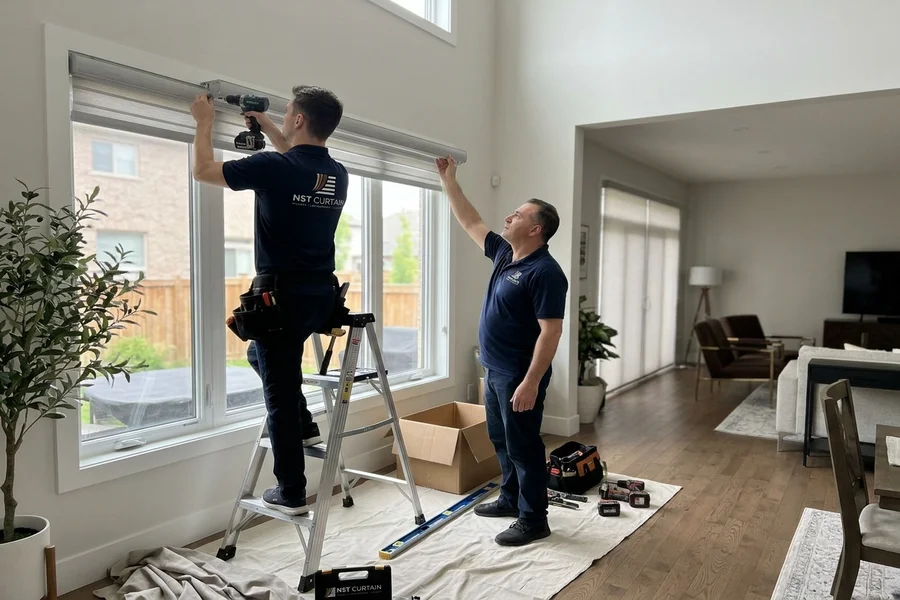
The available blind styles, measurement process, fitting scope and quotation details are all important. Before booking, prepare some basic information about your property and windows so that you can explain your requirements clearly.
Questions to Ask an Installation Provider
Consider asking the following questions before confirming your order:
Which types of window blinds are available?
Can the provider assist with measuring the windows?
Are custom-sized blinds available?
What fitting arrangements are included?
Are mounting accessories included in the quotation?
How long will the project take?
Are additional charges applicable to difficult-to-reach windows?
What maintenance instructions should be followed?
Prepare Your Window Measurements and Photographs
Photographs can help explain the window layout, while approximate measurements provide an initial idea of the project size. However, final dimensions should be confirmed before ordering custom-sized blinds.
Mention whether the property is an HDB flat, condominium, landed home or commercial unit. You should also explain which rooms need blinds and whether you prefer blackout, sunscreen or light-filtering materials.
This preparation can make the initial discussion more productive and help narrow down suitable options.
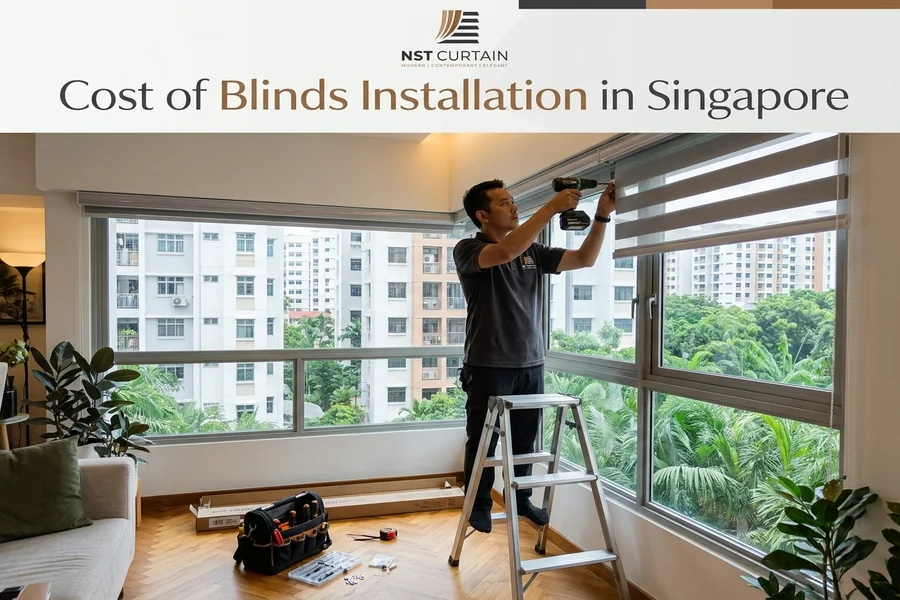
Installation Blinds Process: From Measurement to Final Fitting
Understanding the installation blinds process can help homeowners prepare for their project and know what to expect. Although the exact procedure depends on the product and window structure, most projects involve several important stages.
1. Initial Enquiry and Product Selection
The process begins with discussing your requirements, preferred blind styles and budget. Identify the rooms that need window coverings and consider the amount of privacy and light control required.
If you are unsure which product is appropriate, compare the available styles before making a selection.
2. Window Measurement and Assessment
Accurate measurements are essential for suitable coverage. The width, height and depth of each window should be checked along with the available mounting space.
The assessment should also consider handles, nearby furniture and other possible obstructions. This helps determine the most appropriate fitting arrangement.
3. Selecting Materials and Colours
Once the window dimensions and room requirements are understood, choose a suitable material and colour. Consider the amount of sunlight entering the room, privacy needs and how the blinds will complement the existing interior.
Neutral colours may suit minimalist interiors, while darker fabrics can create a stronger visual contrast.
4. Preparing the Installation Area
Before fitting begins, clear the area around the windows and move furniture where necessary. This gives the installer better access and helps protect nearby belongings during the work.
The mounting surface should also be checked to determine the appropriate hardware and fitting method.
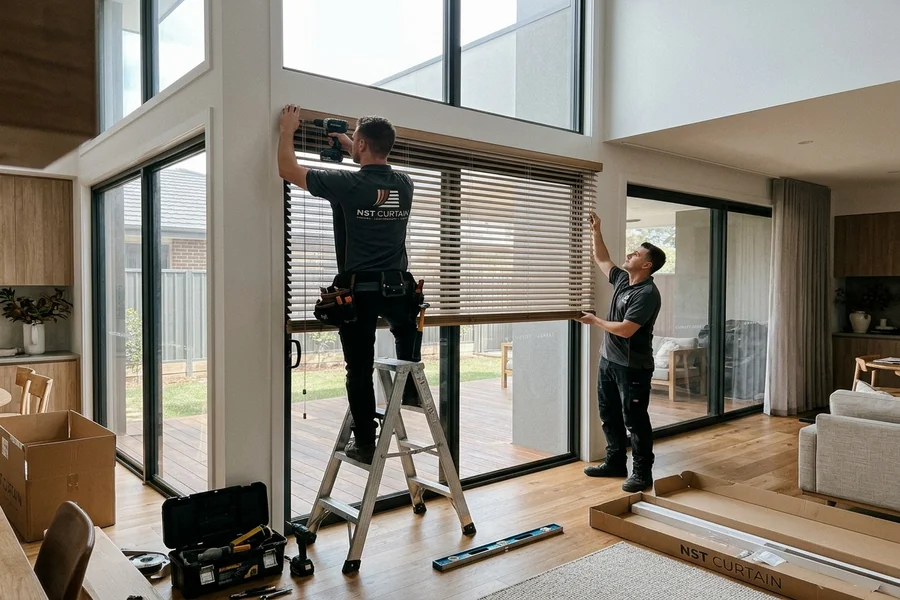
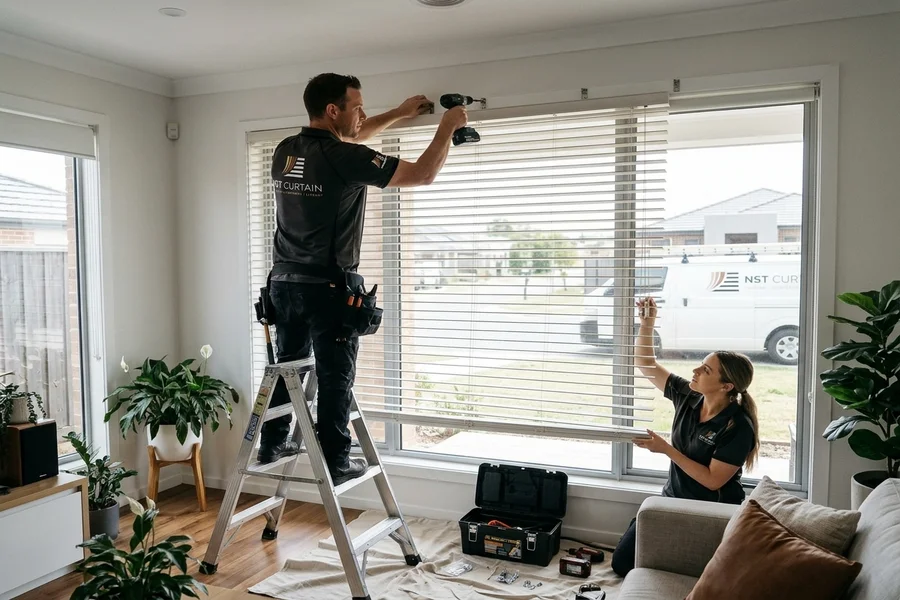
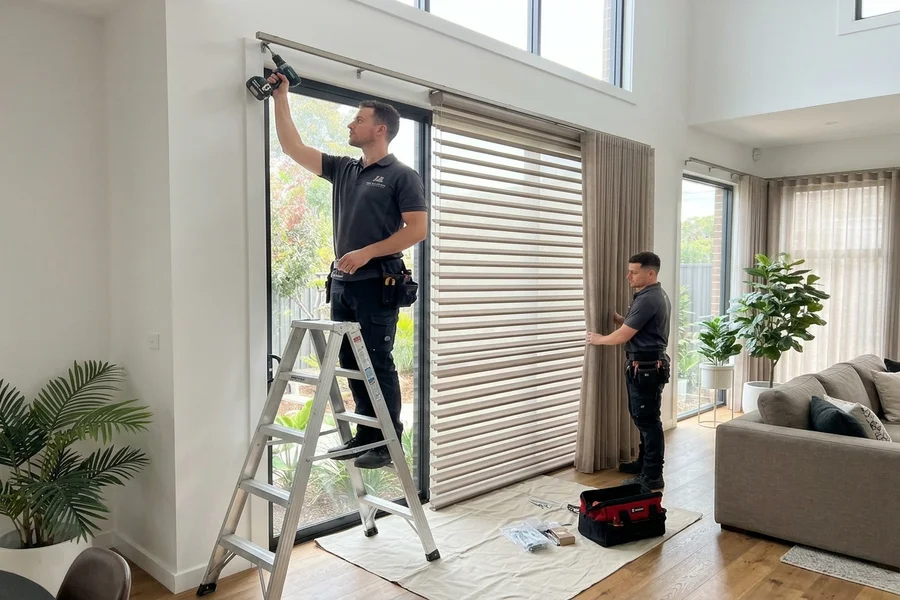
5. Mounting and Aligning the Blinds
The necessary brackets and mounting components are positioned according to the product requirements. The blinds are then fitted and aligned to provide suitable window coverage.
Correct positioning is important for both appearance and operation. Uneven fitting may cause the blind to move incorrectly or sit at an angle.
6. Testing the Finished Installation
After fitting, the blinds should be checked to ensure they open, close and adjust properly. Confirm that the material hangs correctly and that the operating mechanism works smoothly.
Any concerns about alignment, coverage or operation should be discussed before the work is considered complete.
Common Mistakes to Avoid When Ordering Window Blinds
Selecting attractive blinds is only one part of a successful project. Homeowners should also consider measurements, room requirements and installation conditions to avoid common problems.
Choosing the Wrong Blind Size
Incorrect measurements can cause visible gaps, poor coverage or unsuitable fitting. Confirm the dimensions before ordering custom-sized products.
Selecting Blinds Only for Their Appearance
A product may look attractive but may not provide the light control or privacy required for a particular room. Consider practical needs alongside interior design.
Ignoring Window Handles and Fixtures
Window handles, recess depth, nearby furniture and mounting surfaces can affect fitting arrangements. These details should be checked before confirming an order.
Choosing the Lowest Quotation Without Comparing Details
A low price does not automatically mean better value. Compare the product specifications, material quality, fitting scope and any additional charges.
Overlooking Cleaning and Maintenance
Different blind materials require different cleaning methods. Consider how much maintenance you are comfortable with before choosing a particular style.
Why Discuss Your Window Blinds Requirements with NST Curtain?
Choosing window coverings involves balancing appearance, privacy, light control and budget. NST Curtain can be contacted to discuss curtain and window-covering requirements and explore suitable options for residential and commercial spaces.
Whether you are furnishing a new property or replacing existing window coverings, explaining your requirements before ordering can help you make a more informed decision. Consider the number of windows, preferred blind styles, material choices and any specific installation concerns.
When making an enquiry, prepare the following information:
Your property type and location.
The number of windows requiring blinds.
Your preferred blind style or material.
Approximate window measurements.
Photographs showing the window layout.
Your preferred budget and fitting requirements.
Providing these details can make the discussion more focused. You can enquire about suitable products, measurement arrangements, quotations and the expected installation schedule.
Contact NST Curtain Today for Blinds Installation in Singapore
If you are planning to upgrade your home or office windows, contact NST Curtain to discuss your requirements. Whether you are considering roller blinds, Venetian blinds, Korean blinds, vertical blinds or honeycomb blinds, selecting suitable products can help create a more comfortable and attractive interior.
Homeowners comparing fitting services should discuss their preferred styles, the number of windows and their budget before placing an order. This helps clarify the available options and understand the overall project requirements.
NST Curtain Contact Details
Phone: +65 81888778
Email: info@nstcurtain.com
Address: 8 Ubi Road 2 #03-03 Zervex, Singapore 408538
Google Maps: https://maps.app.goo.gl/4gsdkgWgAkFF6qGB8
When contacting NST Curtain, share photographs of your windows and explain the type of blinds you are considering. You can then discuss suitable products, measurements, quotation details and installation arrangements.
Choose window coverings that complement your interior, provide the privacy you need and make everyday light control more convenient. Contact NST Curtain to discuss your window blinds requirements in Singapore.
Conclusion
Choosing suitable blinds and arranging accurate fitting can improve the appearance, comfort and functionality of your home or office. From HDB flats and BTO apartments to condominiums, landed properties and commercial spaces, properly selected window coverings provide practical benefits while complementing your interior design.
Before placing an order, compare blind styles, materials, measurement arrangements and installation costs. Roller, Venetian, vertical, Korean and honeycomb blinds each offer different features, so the best option depends on your window dimensions, privacy requirements and preferred level of light control.
If you are planning a window-covering upgrade, contact NST Curtain to discuss your requirements, explore suitable blind options and enquire about fitting arrangements.
Frequently Asked Questions About Blinds Installation
1. How much does blinds installation cost in Singapore?
The cost depends on window dimensions, blind material, product style, operating mechanism and fitting requirements. Custom-sized and motorised blinds may have different costs from standard manual options. Request a quotation based on your actual window measurements.
2. How do I choose a suitable blinds installer?
Compare providers based on their available blind styles, measurement arrangements, installation scope and quotation details. Ask about the products and fitting process before confirming your order.
3. What types of blinds are suitable for HDB flats?
Roller, Venetian, Korean and honeycomb blinds can all be considered for HDB flats. Your choice should depend on window size, room function, privacy requirements and preferred interior style.
4. Are roller blinds suitable for bedrooms?
Yes. Roller blinds are available in blackout, sunscreen and light-filtering fabrics. Blackout options may be suitable for bedrooms where reducing external light is a priority.
5. What is the difference between roller and Venetian blinds?
Roller blinds use fabric that rolls around a tube, while Venetian blinds feature horizontal slats that can be tilted. Roller blinds offer a simple appearance, whereas Venetian blinds allow more direct adjustment of incoming light.
6. Can blinds be installed on large windows?
Yes, certain blind styles are suitable for large windows. However, window dimensions, product weight, mounting surface and operating mechanism should be assessed before selecting the final product.
7. How long does home blinds installation take?
The time required depends on the number of windows, blind type, accessibility and mounting conditions. The overall project timeline may also include measurement, product preparation and installation scheduling.
8. What should I check when searching for blinds fitting near me?
Check the provider's product range, measurement process, quotation, installation scope and availability. Sharing window photographs and explaining your requirements can also help when arranging the service.
9. How can I find affordable blinds installation?
Compare quotations and review the products and services included. Choose materials and features according to your requirements, and confirm all costs before placing an order.
10. Can I use different types of blinds in different rooms?
Yes. You can select different blind styles according to each room's purpose. For example, blackout roller blinds may suit bedrooms, while Venetian or sunscreen blinds may be suitable for living areas and study rooms.